
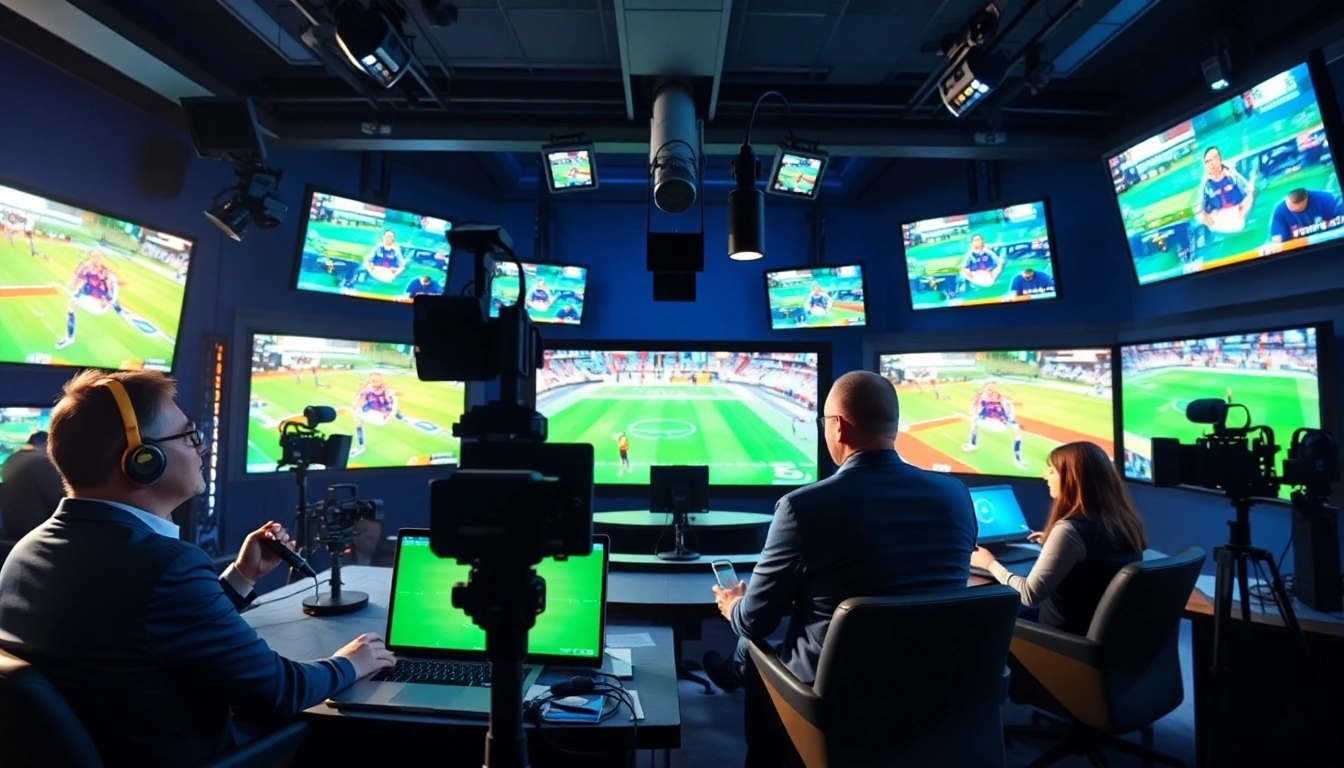
Understanding Sports Broadcasting Fundamentals
What is Sports Broadcasting?
Sports broadcasting refers to the live transmission of sporting events through various media channels, including television, radio, and the internet. It enables fans to experience the excitement of athletic competition, regardless of their geographical location. In today’s digital age, the landscape of sports broadcasting is continuously evolving, influenced by viewers' preferences for instant access and varied content formats. This evolution reflects deeper cultural trends and the growing significance of sports within society, driving advancements in technology and content delivery. To get a comprehensive insight into the field, exploring Sports Broadcasting can provide valuable information.
The Evolution of Sports Broadcasting
The history of sports broadcasting can be traced back to the early 20th century when radio first became popular. The first significant live sports broadcast was a boxing match in 1921, paving the way for future developments. Over the decades, television became the dominant medium, revolutionizing how sports were consumed. Events such as the 1936 Berlin Olympics marked the introduction of televised sports, creating a new way for audiences to engage with athletic feats.
In the last two decades, the advent of the internet and mobile technology has led to profound changes. Streaming services, social media platforms, and personalized content delivery have given rise to a new era of sports broadcasting, allowing fans to watch games on demand. As technology continues to advance, the methods of sports broadcasting will likely adapt further, embracing more interactive and augmented reality experiences.
Key Components of Sports Broadcasting
Successful sports broadcasting is built upon several pivotal components that contribute to its effectiveness and viewer engagement:
- Production Quality: The visual and audio quality of a broadcast significantly affects the viewer experience, including camera angles, graphics, and sound.
- Commentary: Expert commentary enhances the viewing experience by providing insights and analyses that help audiences understand game dynamics better.
- Viewer Engagement: Interactive features, such as polls and live chats, allow viewers to participate actively, creating a community around sporting events.
- Advertising: Advertisements strategically placed during broadcasts can generate revenue while also catering to the interests of the audience.
- Broadcast Rights: Securing the legal right to broadcast events is crucial, as it defines the scope of what can be shown to audiences.
Technical Aspects of Sports Broadcasting
Equipment Used in Sports Broadcasting
The backbone of any sports broadcast is the equipment utilized. This includes:
- Cameras: High-definition cameras capable of zooming in on action and capturing multiple angles are essential in bringing the game closer to the viewer.
- Microphones: Both on-field and in-studio microphones are critical for capturing commentary, player interactions, and the atmosphere of the event.
- Switchers: These allow for real-time switching between different camera feeds and integrating graphics into the broadcast.
- Transmission Tools: Satellite and streaming technology are necessary for distributing the broadcast to viewers, ensuring signal integrity and coverage.
Broadcasting Techniques and Methods
Broadcasters use various techniques to enhance their presentations:
- Live Broadcasting: This method includes real-time coverage of events, allowing viewers to watch moments as they unfold.
- Replay Technology: Slow-motion replays and highlights provide additional context and analysis of crucial moments in the game.
- Graphics and Analytics: Data visualizations and statistics presented during broadcasts help viewers understand team performance and player metrics.
The Role of Technology in Sports Broadcasting
Technology plays an instrumental role in shaping sports broadcasting today. Innovations such as drone cameras, VR experiences, and augmented reality enhance viewer engagement by providing unique perspectives. Furthermore, personalized streaming options allow viewers to select what they want to watch, catering to diverse preferences. The integration of data analytics tools helps broadcasters deliver insights that were previously unattainable, giving fans deeper knowledge and excitement about the sports they love.
Creating Compelling Content in Sports Broadcasting
Storytelling Techniques for Sports Broadcasters
Effective storytelling is a vital element in sports broadcasting. Broadcasters can engage audiences by weaving narratives that highlight players' backgrounds, rivalries, and pivotal moments in sports history. The ability to connect statistics and facts with emotional storytelling creates a compelling viewing experience. Highlights packages can be framed like movie trailers, building anticipation for upcoming events.
Engaging Your Audience Effectively
Engagement is central to retaining viewers. Techniques include interactive polls, live Q&As with commentators, and utilizing social media platforms to extend discussions beyond the game. Building a community around shared interests encourages viewers to return for future broadcasts. Broadcasters should aim to create dialogues by addressing viewer comments and incorporating their feedback into subsequent presentations.
Utilizing Social Media in Sports Broadcasting
Social media platforms have transformed how sports are broadcast and consumed. Platforms like Twitter, Instagram, and Facebook allow broadcasters to share real-time updates, behind-the-scenes footage, and player insights. Engaging fans directly leads to higher audience loyalty. Additionally, sports organizations can leverage these platforms to promote upcoming events, expanding their viewership while also creating content that resonates with specific demographics.
Legal and Ethical Considerations
Understanding Broadcasting Rights
Broadcasting rights are critical in determining the legal framework through which sports can be shared with the public. Organizations must negotiate agreements with leagues and teams regarding how events can be aired. This includes territorial rights, which can vary significantly. Ensuring compliance with these contracts is essential to avoid legal disputes and maintain a broadcaster's reputation.
Ethical Practices in Sports Broadcasting
Ethics in broadcasting lead to trust and professionalism. Broadcasters must ensure accuracy when reporting and presenting information. This includes fact-checking statistics, avoiding sensationalism, and respecting the dignity of players and teams. Ethics also extends to promoting diversity and inclusion, making sure that various voices and perspectives are reflected throughout broadcasting.
Handling Sensitive Topics in Sports Journalism
Sports journalism often intersects with sensitive topics such as mental health, injuries, and social issues. Broadcasters must approach these subjects responsibly, maintaining sensitivity while ensuring that vital conversations are brought to the forefront. By fostering an environment where issues can be discussed openly, broadcasters can contribute positively to the broader societal discourse surrounding sports.
Future Trends in Sports Broadcasting
Emerging Technologies Shaping Sports Broadcasting
As technology evolves, so do the methods of sports broadcasting. Innovations such as artificial intelligence, blockchain for secure rights management, and 5G connectivity are poised to reshape the landscape. AI can automate highlight clipping, while blockchain can ensure transparency in rights management and monetization. Future broadcasts may incorporate real-time data overlays that provide fans with an unprecedented depth of analysis during live events.
The Impact of Streaming Services on Sports Broadcasting
The rise of streaming services has fundamentally changed sports broadcasting, offering viewers more flexible options to consume content. These platforms often provide additional features such as multi-camera selections and on-demand replays. Sports networks are increasingly creating exclusive content for streaming services, tracking viewer habits to create personalized experiences tailored to individual preferences.
Predictions for the Future of Sports Broadcasting
The future of sports broadcasting will likely see an ongoing blend of traditional and digital platforms, emphasizing interactive and personalized viewer experiences. Expect to see further integration with social media, mobile technology, and enhanced viewer engagement through gamification and AR experiences. Data-driven strategies will continue to evolve, providing broadcasters with deeper insights into audience preferences, leading to tailored and engaging content.
FAQs About Sports Broadcasting
What is the primary medium for sports broadcasting?
Television remains the primary medium for sports broadcasting, though online streaming platforms are rapidly gaining popularity, offering flexibility and on-demand viewing options.
How has technology impacted sports broadcasting?
Technology has advanced sports broadcasting through enhanced production quality, real-time data analytics, and interactive features, allowing for a richer viewer experience.
What are some common storytelling techniques used?
Common storytelling techniques include highlighting individual player journeys, building narratives around rivalries, and contextualizing games within larger historical events.
How can social media enhance sports broadcasts?
Social media enhances sports broadcasts by providing real-time updates, engaging with fans, and creating communities that foster loyalty and drive viewership.
What ethical considerations should broadcasters keep in mind?
Broadcasters should ensure accuracy, respect player dignity, promote diversity, and handle sensitive topics with care, maintaining professionalism and trust with audiences.